Small and medium-sized enterprises (SMEs) across Europe are receiving substantial support in implementing security measures and meeting the requirements of the Cyber Resilience Act. Since the beginning of 2025, the EU project SECURE (Strengthening EU SMEs Cyber Resilience) is dedicated to bolstering the long-term cybersecurity resilience of SMEs. With a budget of 15 million euros allocated over three years, the initiative brings together partners from several European countries, including Belgium, Italy, Luxembourg, Austria, Poland, Romania, and Spain.
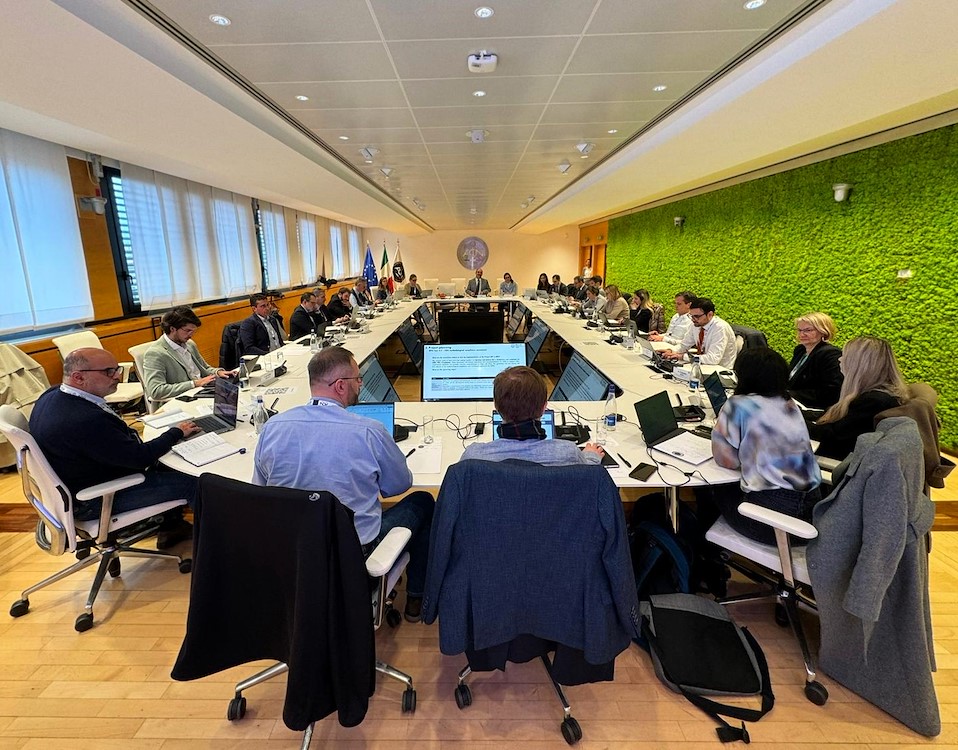
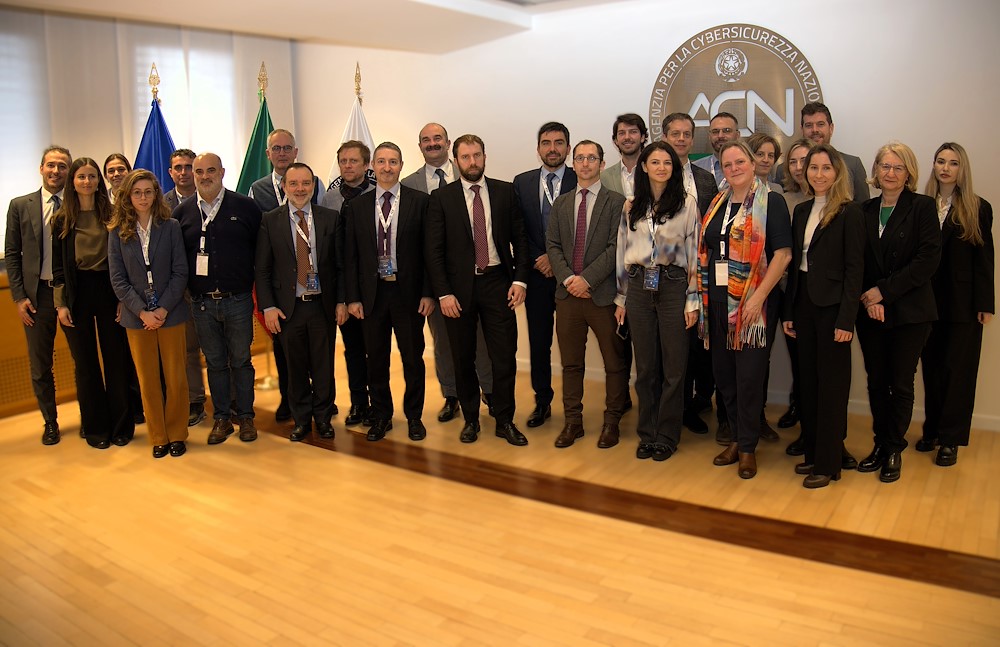
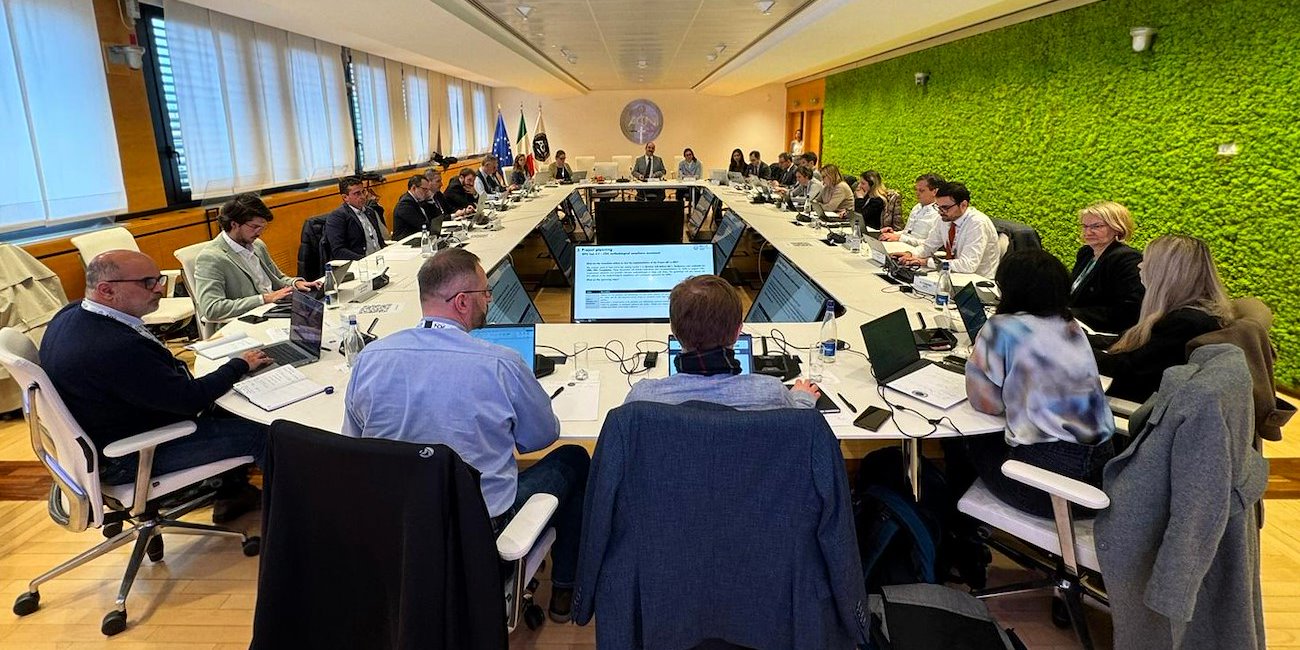
The Italian Agency for National Cybersecurity (ACN, Agenzia per la cybersicurezza nazionale) is taking on the role of project coordinator and hosted the kick-off event in Rome on 21 and 22 January 2025. The consortium emphasizes close collaboration between the National Cybersecurity Coordination Centres (NCCs) and the European Digital Innovation Hubs (EDIHs). This extensive partnership aims to engage a wide range of stakeholder groups, strengthening SMEs' resilience against cybersecurity incidents.
Cyber Resilience and Competitiveness
Supporting SMEs is of key importance - not only to protect them from cyber threats, but also to strengthen the EU's digital single market. Targeted support measures, practical resources and clear guidance therefore provide companies with valuable support in implementing regulations. This ensures both their economic success and their competitiveness.
A wide range of measures are therefore planned, including training and financial resources in the area of cyber security as well as support in the following fields:
- Integrating cyber security into the development processes of products and services and thus promoting a ‘security by design’ culture
- Strengthening SME supply chains in cyber defence
- Assistance for SMEs to implement the Cyber Resilience Act
- Improving the cyber resilience of SMEs for economic safeguarding
- Supporting SMEs in implementing long-term, sustainable cyber security measures
“The SECURE project represents a virtuous model of coordination between different actors, public and private, aimed at giving concrete and tangible support to the European business fabric at a time when it will be called upon to achieve the levels of compliance required by the Cyber Resilience Act” states Prefect Bruno Frattasi, Director General of Italy's National Cybersecurity Agency.
“Gaps in cyber security cause considerable damage - according to a KMPG study from 2024, every 6th cyber-attack against a company was successful. That is why we are proud to support local SMEs - the backbone of the European economy - in implementing important protective measures in the digital space as part of SECURE“, states Roland Sommer, the managing director of Platform Industry 4.0 Austria.
The SECURE consortium consists of:
- Agenzia per la cybersicurezza nazionale (ACN), Italy
- Naukowa i Akademicka Siec Komputerowa -Panstwowy Instytut Badawczy (NASK), Poland
- Instituto Nacional de Ciberseguridad (INCIBE), Spain
- Centre Pour La Cybersécurité, Belgium
- Luxembourg House of Cybersecurity (LHC), Luxembourg
- Cyber 4.0 – Centro di Competenza Nazionale per la Cybersecurity, Italy
- IDEA-Re Ideas and Research Hub, Italy
- Authority for Digitization of Romania (ADR), Romania
- Plattform Industrie 4.0 Österreich, Austria
- Technische Universität Wien, Austria
- PROFACTOR GmbH, Austria
- Salzburg Research Forschungsgesellschaft mbH, Austria
- Virtual Vehicle, Austria